Select Page
The Importance of Summer Reading: Tips for Parents

The Importance of Summer Reading: Tips for Parents

Summer is here, and with it comes a golden opportunity for parents to instill the love of reading in their children. The importance of summer reading cannot be overstated, as it not only helps prevent the dreaded “summer slide” but also fosters a lifelong passion for learning and exploration. In this blog post, we will delve into the significance of summer reading and offer valuable tips for parents.

Why is Summer Reading important?

1. Preventing the Summer Slide:

The “summer slide” refers to the decline in academic skills that can occur during the extended break from school. Engaging in regular reading during the summer months helps children maintain and even improve their literacy skills, ensuring a smoother transition back to school in the fall.

2. Fostering a Love for Learning:

Reading isn’t just about acquiring information; it’s a gateway to imagination, creativity, and a broader worldview. When children discover books that captivate their interests, they develop a genuine love for learning that extends beyond textbooks.

3. Building Vocabulary and Comprehension:

Reading exposes children to a wide range of words and sentence structures that they might not encounter in everyday conversation. This exposure enhances their vocabulary and comprehension skills, aiding in their overall cognitive development.

4. Bonding and Quality Time:

Summer reading can be a wonderful bonding experience for parents and children. Sharing stories, discussing characters, and exploring new worlds together can create cherished memories and strengthen the parent-child relationship.

Tips for Encouraging Summer Reading.

1. Create a Reading-Friendly Environment:

Set up a cozy reading nook with comfortable seating, good lighting, and a variety of age-appropriate books. Make it a place where kids can retreat and immerse themselves in their reading adventures.

2. Lead by Example:

Children are more likely to read when they see their parents enjoying books. Let your kids see you reading for pleasure, whether it’s a novel, a magazine, or an e-book.

3. Set Realistic Goals:

Encourage a sense of achievement by setting achievable reading goals. It could be a certain number of books, pages, or chapters over the summer. Reward their accomplishments to keep their motivation high.

4. Join a Summer Reading Program:

Many libraries and online platforms offer summer reading challenges with rewards. These programs add an element of excitement and friendly competition that can make reading even more enticing.

5. Follow Their Interests:

Allow your children to choose the books they want to read. Whether it’s fiction, non-fiction, graphic novels, or fantasy, respecting their preferences will make reading a joyful experience.

Summer reading is a gift that keeps on giving, nurturing children’s minds, enriching their vocabularies, and sparking their creativity. By fostering a reading culture at home, parents lay the foundation for a lifelong love of learning in their children. So, create a reading-friendly environment, explore diverse genres, and embark on literary adventures together. With the right books and the right approach, this summer can be a season of imagination, exploration, and unforgettable stories.

6 Fun and Educational Activities to Keep Your Child Engaged During Summer Break

6 Fun and Educational Activities to Keep Your Child Engaged During Summer Break

Summer break is the perfect time for kids to relax, explore, and have fun. However, as a parent, you may be concerned about how to keep your child engaged and entertained during the long vacation while also ensuring they continue to learn and grow. Fear not! We’ve curated a list of six exciting and educational activities that will captivate your child’s imagination and foster their development throughout the summer break.

Catering Craft Workshops – Unleash Your Child’s Inner Chef!

Catering

Why not let your child explore the world of culinary arts through catering craft workshops? These hands-on sessions are not only entertaining but also educational, as they teach children the basics of cooking, baking, and food presentation. From making delicious cookies to crafting eye-catching fruit sculptures, catering craft workshops can inspire a lifelong passion for the culinary arts in your little one.

Swimming Classes – Dive into Fun and Fitness!

6 Fun and Educational Activities to Keep Your Child Engaged During Summer Break

Beat the heat and promote physical fitness by enrolling your child in swimming classes. Swimming is not only a great way to stay active but also an essential life skill. Whether your child is a beginner or an experienced swimmer, these classes offer expert guidance and a safe environment for them to build their confidence in the water. Plus, splashing around with friends in the pool is an excellent way for kids to socialize and have a blast.

Transition Classes – Smoothly Prepare for the Next Academic Year

transition class

As summer break draws to a close, you can help your child transition back into the academic routine by enrolling them in transition classes. These programs are designed to bridge the gap between summer vacation and the upcoming school year, focusing on reinforcing essential skills in subjects like math, reading, and writing. Transition classes can also provide valuable opportunities for kids to interact with their future classmates, making the back-to-school process much smoother.

Arts and Crafts – Unleash Creativity and Imagination

art

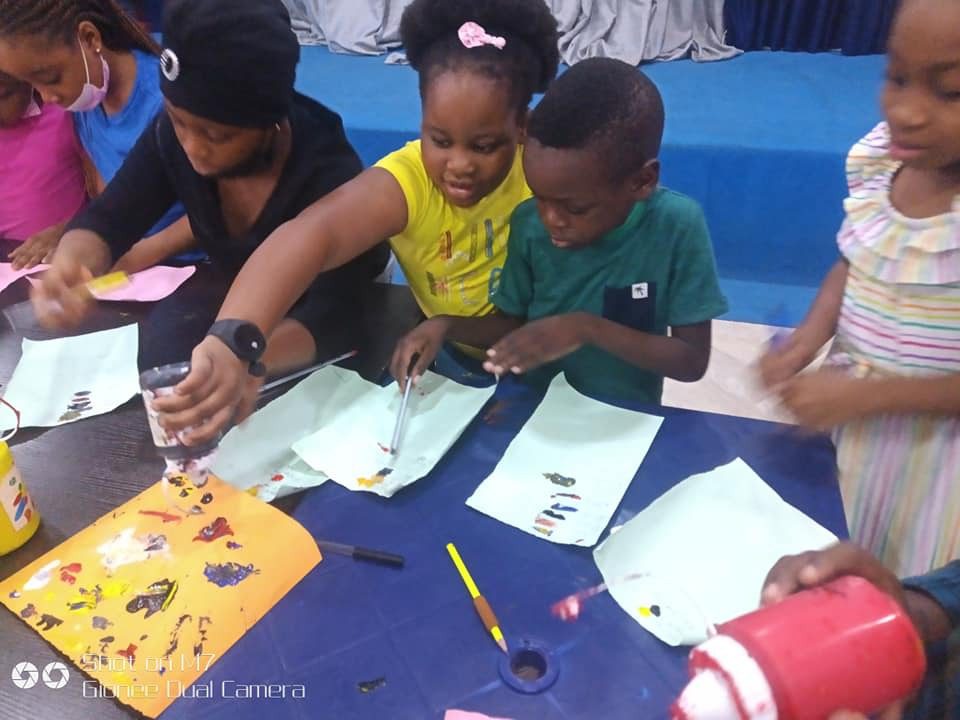
Arts and crafts activities are a fantastic way to stimulate your child’s creativity and imagination during summer break. From painting and drawing to crafting DIY projects, these activities encourage self-expression and provide an outlet for artistic exploration. Consider organizing themed arts and crafts days or joining local art workshops to keep the creative juices flowing all summer long.

Storytelling and Reading Sessions – Nurture a Lifelong Reader

Assist Your Child in Elementary School

Cultivate a love for books and storytelling by organizing regular reading sessions with your child. Create a cozy reading nook at home where you can explore exciting tales together. Encourage your child to choose their favorite books and allow them to share their own imaginative stories. These reading sessions will not only boost your child’s language skills but also strengthen the parent-child bond.

Nature Exploration and Outdoor Adventures – Connect with Mother Nature

Spend quality time with your child by engaging in nature exploration and outdoor adventures. Go for hikes in nearby parks, visit botanical gardens, or have a picnic in the countryside. Exploring nature not only encourages physical activity but also enhances your child’s understanding of the natural world, fostering a sense of environmental consciousness and appreciation.

Make this summer break memorable and enriching for your child with these 6 fun and educational activities. Looking for a summer filled with fun, learning and excitement? Look no further!

We are excited to announce our summer school program at both our Kubwa and Apo campus.

See the flyer below for more details.

apo summer
MEROSA ACEDEMY DESIGNS 6
Building Healthy Digital Habits: Balancing Screen Time for Children

Building Healthy Digital Habits: Balancing Screen Time for Children

In today’s digital age, children are immersed in a world of screens, from smartphones and tablets to computers and gaming consoles. While technology can offer incredible educational and entertainment opportunities, finding the right balance of screen time for children is crucial for their overall well-being. In this blog post, we will explore the importance of building healthy digital habits and provide practical tips to help parents strike a harmonious balance between screen time and other essential activities. Let’s dive in!

1. Understanding the Impact of Screen Time:

To foster healthy digital habits, it’s important to understand the impact of excessive screen time on children. Excessive screen use can lead to sedentary behavior, disrupted sleep patterns, decreased physical activity, and potential negative effects on social and emotional development. By being aware of these risks, parents can take proactive steps to establish healthy boundaries.

2. Set Clear Guidelines and Boundaries:

Establishing clear guidelines and boundaries around screen time is essential. Set specific time limits for different activities, such as educational use, entertainment, and social media. Create a family media plan that outlines the rules and expectations for screen time, ensuring that it aligns with your child’s age, maturity, and developmental stage.

3. Encourage Screen-Free Activities:

Encourage a variety of screen-free activities to balance out the time spent on digital devices. Encourage your child to engage in hobbies, outdoor play, reading, creative arts, sports, and spending time with family and friends. Providing alternative activities not only reduces screen time but also promotes overall development and well-being.

4. Be a Role Model:

Children often learn by observing their parents’ behavior. Be mindful of your own screen time habits and strive to be a positive role model. Set aside dedicated screen-free times for family activities, meals, and meaningful conversations. When you prioritize real-life interactions, your child will understand the importance of finding a balance between the virtual and physical worlds.

5. Foster Digital Literacy and Responsible Use:

Teach your child about digital literacy, responsible online behavior, and the importance of protecting their privacy and personal information. Educate them on critical topics such as cyberbullying, online scams, and appropriate content consumption. By empowering them with knowledge, you equip them to navigate the digital landscape safely and responsibly.

6. Create Tech-Free Zones and Times:

Designate specific areas in your home as tech-free zones, such as bedrooms or dining areas. Implement tech-free times, such as during family meals or before bedtime, to promote healthy habits and quality family interactions. These boundaries help create a balance and reduce the temptation for constant digital engagement.

7. Utilize Parental Controls and Monitoring Tools:

Make use of parental control features and monitoring tools available on digital devices and apps. These tools enable you to manage and monitor your child’s screen time, restrict access to inappropriate content, and ensure a safer online experience.

As parents, it’s our responsibility to guide our children in building healthy digital habits. By establishing clear guidelines, encouraging a balance of activities, and being mindful of our own screen time, we can help children develop a healthy relationship with technology. Remember, it’s not about completely eliminating screen time, but rather finding the right balance that promotes their overall well-being, growth, and development. Let’s nurture a generation that understands the importance of maintaining a healthy digital lifestyle.

Preparing for Exams: Practical Tips to Help Your Child Excel

Preparing for Exams: Practical Tips to Help Your Child Excel

Preparing for exams can be a challenging time for both students and parents alike. As a parent, you play a crucial role in supporting and guiding your child toward exam success. By providing them with effective strategies and a nurturing environment, you can help them excel academically and boost their confidence.

In this blog post, we will share practical tips and actionable advice to assist you in preparing your child for exams. Let’s dive in!

1. Establish a Study Routine:

Creating a consistent study routine is vital for effective exam preparation. Encourage your child to set aside dedicated study time each day, preferably during their peak concentration hours. A structured routine will help them develop discipline, stay focused, and manage their time efficiently.

2. Break It Down:

Encourage your child to break down their study material into smaller, manageable chunks. This approach prevents overwhelming feelings and makes learning more digestible. By breaking down the syllabus, your child can tackle one topic at a time, leading to better understanding and retention.

3. Utilize Effective Study Techniques:

Teach your child various study techniques that suit their learning style. These techniques can include mind mapping, summarizing information in their own words, creating flashcards for quick revision, and practicing past exam papers. By experimenting with different methods, your child can identify what works best for them.

4. Create a Distraction-Free Environment:

Provide your child with a quiet and well-lit study space, free from distractions such as smartphones, TV, or loud noises. A calm environment promotes better concentration and improves their ability to absorb information effectively.

5. Encourage Healthy Habits:

Remind your child of the importance of maintaining a healthy lifestyle during exam preparation. Encourage regular exercise, adequate sleep, and a nutritious diet. Physical activity helps reduce stress and increases focus, while a balanced diet fuels the brain with the necessary nutrients for optimal cognitive function.

6. Teach Effective Time Management:

Time management is crucial during exams. Guide your child in creating a study schedule that allocates sufficient time for each subject and allows for short breaks. Teach them to prioritize tasks based on importance and deadlines, helping them stay organized and avoid last-minute cramming.

7. Support Emotional Well-being:

Exam stress is common among students, and managing emotions plays a significant role in their performance. Encourage your child to express their concerns and fears openly. Listen empathetically and provide reassurance, emphasizing that their worth is not solely defined by exam results. Teach them relaxation techniques such as deep breathing and mindfulness exercises to alleviate stress.

8. Engage in Regular Communication:

Maintain open lines of communication with your child’s teachers to stay updated on their progress and any areas that may require additional support. Regular conversations will help you identify their strengths and weaknesses, enabling you to offer targeted assistance where needed.

By implementing these practical tips and strategies, you can empower your child to excel in their exams. Remember, success is not solely measured by grades, but also by their growth, perseverance, and resilience throughout the learning journey. Provide a supportive and nurturing environment, and celebrate their efforts along the way. With your guidance and encouragement, your child will be well-prepared and confident to face any exam challenge that comes their way. Best of luck!

Breakfast Fundamentals

Breakfast Fundamentals

It can be difficult to get youngsters ready for school, childcare, or a day of play. However, a good breakfast is essential. Here’s how to incorporate a nutritious breakfast into your daily routine.

Why Bother With Breakfast?

Breakfast is an excellent approach to replenishing the body’s energy reserves. Breakfast eaters tend to eat healthier overall and are more likely to be physically active — both of which are excellent methods to help children maintain a healthy weight.

Children who skip breakfast may become fatigued, restless, or irritated. Their bodies require refueling in the morning for the day ahead. If they don’t eat something for breakfast, their mood and energy levels can plummet by mid-morning.

Breakfast may help children maintain a healthy weight. Breakfast stimulates the body’s metabolism, which is the process through which the body turns the fuel in food into energy. When the metabolism gets going, the body begins to burn calories. Furthermore, some research suggests that our bodies burn more calories in the morning than late at night.

Breakfast skippers are more likely to be overweight because they may:

  • Snack more often throughout the day.
  • Overeat at later meals.
  • Eat late at night.


Breakfast Brain Power

Breakfast is crucial for children every day, but what they eat in the morning is also important. Choose breakfast items that are high in nutritious grains, fruits or vegetables, and protein while being low in added sugar. Breakfast consumption:

  • helps kids get more fiber, calcium, and other important nutrients
  • can help kids do better in school
  • improves memory and attention, which kids need to learn

Breakfast eaters perform better in school and on standardized examinations. In addition, students who engaged in school lunch programs had fewer absences.


Getting breakfast ready

It can be hard to make a healthy breakfast happen when you’re rushing to get yourself and the kids ready in the morning. These practical suggestions can help:

  • Stock your kitchen with healthy breakfast options.
  • Prepare as much as you can the night before (get dishes and utensils ready, cut up fruit, etc.).
  • Get everyone up 10 minutes earlier.
  • Let kids help plan and prepare breakfast.
  • Have grab-and-go alternatives (fresh fruit; individual boxes or baggies of whole-grain, low-sugar cereal; yogurt or smoothies; trail mix) on days when there is little or no time.

Pack a breakfast that kids can eat later on the bus or in between classes if they aren’t hungry right away in the morning. Nutritious, simple to prepare, and convenient for youngsters to carry around are fresh fruit, cereal, almonds, or half a peanut butter and banana sandwich.

It’s also crucial to know what not to serve for breakfast. Yes, some breakfast bars and toaster pastries are convenient, portable, and kid-friendly. However, many are loaded with sugar and calories and have no more nutritious value than a candy bar. Before you add these breakfast bars and pastries to your shopping cart, carefully review the nutrition labels.

You might also want to look into the breakfast options offered by the school.

Talk to your children about choosing healthy foods if they have breakfast out of the house.

10 Ways to Assist Your Child in Elementary School

10 Ways to Assist Your Child in Elementary School

Parental support is essential for children to succeed academically. Here are ten ways parents may help their children succeed in school.

  1. Participate in parent-teacher conferences and back-to-school night

When parents are interested in their children’s academic lives, they perform better in school. Attending back-to-school nights at the beginning of the school year is a terrific way to meet your child’s instructors and learn about their expectations. School administrators may also talk about school-wide programs and procedures.

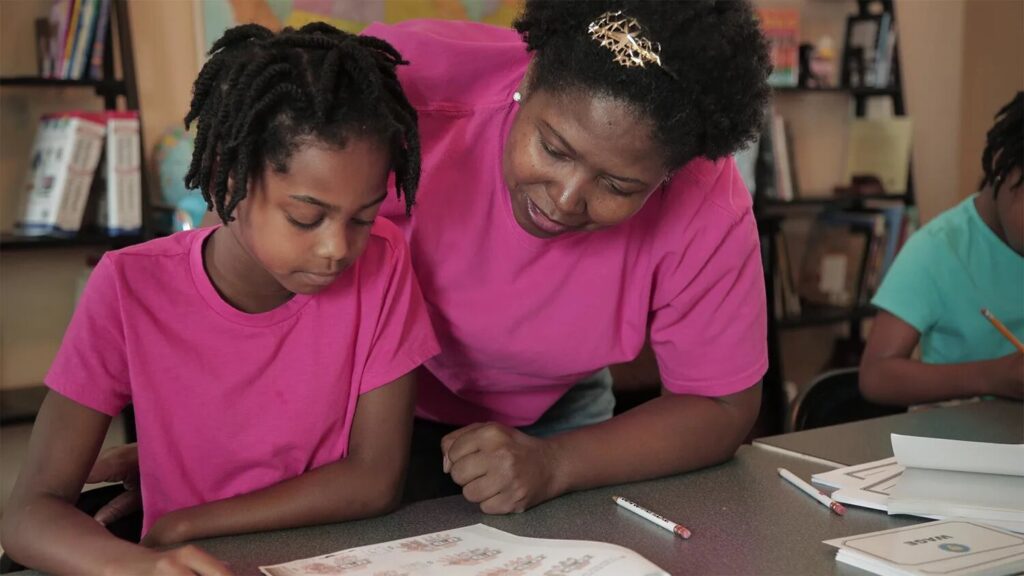
Another approach to staying informed is to attend parent-teacher conferences. Typically, these are held once or twice a year during progress reporting periods. The conferences are an opportunity to start or continue conversations with your child’s teacher and explore ideas to help your child accomplish his or her best in class. Meeting with the teacher also lets your child know that what happens at school will be discussed at home.

If your child has unique learning needs, further sessions with teachers and other school personnel can be planned to discuss creating or amending personalized education plans or gifted education plans.

Remember that any time during the school year, parents or guardians can seek meetings with teachers, principals, school counselors, or other school personnel.


    parent teacher conferences
      1. Visit the School and Its Website

      You can better connect with your child when you discuss the school day if you are familiar with the actual layout of the school facility and surroundings. Knowing where the main office, school nurse, cafeteria, gym, play areas, sporting fields, auditorium, and special classes are located is a good idea.

      You can learn more about:

      • On the school website.
      • The staff members’ contact information.
      • Scheduled activities including field trips, and test dates.

      Many teachers keep their own webpages where they include homework requirements, test dates, and activities and outings for the class. There are frequently additional unique resources for parents and kids on the district, school, or teacher websites.


      1. Encourage Homework Expectations

      Homework in elementary school enhances and extends classroom learning while also allowing students to practice critical study skills. It also assists students in developing a sense of responsibility and a work ethic that will serve them well outside of the classroom.

      You can assist your child by setting a productive study environment, in addition to ensuring that your youngster understands that homework is a priority. Any well-lit, comfortable, and peaceful workspace that has all of the necessary supplies would suffice. Avoiding distractions (such as a TV in the background) and establishing a start and end time might also be beneficial.

      For a successful homework and/or study period, allow 10 minutes for each elementary grade level as a general guideline. For instance, fourth-graders can anticipate having around 40 minutes of homework or study time each night. If you discover that it frequently takes much longer than this recommendation, speak with your child’s instructor.

      Be ready to help your child with their homework by interpreting the directions, providing directions, responding to inquiries, and reviewing the finished product. But avoid the impulse to finish the assignments or give the right replies. You don’t want to deny your child the opportunity to learn from mistakes because this is an important part of the process.


      1. Enroll Your Child in School Prepared to Learn

      A good breakfast nourishes children and prepares them for the day. Breakfast eaters have more energy and perform better in school. Breakfast eaters are also less likely to be absent and to visit the school nurse with stomach symptoms due to hunger.

      Breakfast meals high in whole grains, fiber, and protein that are low in added sugar will help improve your child’s attention span, concentration, and memory. Send fresh fruit, nuts, yogurt, or half a peanut butter and banana sandwich if your child is running late some mornings. Before the first bell, many schools serve wholesome breakfast alternatives.

      Children also require adequate sleep in order to be aware and ready to learn throughout the day. Most school-age children require 10 to 12 hours of sleep per night. Bedtime problems might occur at this age for a variety of reasons. Homework, sports, and after-school activities, as well as TVs, computers, and video games, can all contribute to children not getting enough sleep.

      Sleep deprivation can result in angry or hyperactive behavior, making it difficult for children to pay attention in class. A consistent sleep routine is essential, especially on school evenings. Allow enough time before night for your child to unwind before turning out the lights, and restrict stimulating diversions such as TV, video games, and Internet access.


      1. Teach Organizational Skills

      When children are structured, they can focus instead of wasting time looking for items and becoming distracted.

      What does being organized at the primary level imply? For schoolwork, which includes keeping track of assignments and projects in an assignment book and homework folder (which many schools provide).

      Check your child’s assignment book and homework folder every night after school to ensure that you are familiar with the tasks and that your child does not fall behind. Make a bin for papers that need to be checked or signed. Keep a separate box or container for completed and graded work, and discard any papers you don’t need to keep.

      Discuss with your child the importance of keeping his or her school desk neat so that papers that need to be brought home do not get misplaced. Teach your child how to keep organized by using a calendar or personal planner.

      It is also beneficial to teach your youngster how to build a to-do list in order to prioritize and complete tasks. It can be as easy as:

      • homework
      • soccer
      • clothing storage

      Nobody is born with excellent organizing abilities; they must be developed and exercised.


      1. Teach Study Skills

      Studying for an exam can be intimidating for young children, and many educators anticipate that parents will assist their children during the elementary school years. Introducing your youngster to study techniques now will pay dividends in the form of lifelong learning habits.

      End-of-unit assessments in arithmetic, spelling, science and social studies are common in elementary education. Make sure you are aware of when a test is set so that you can assist your child in studying ahead of time rather than simply the night before. You may also need to remind your child to bring appropriate study resources, such as notes, study guides, or books, home.

      Teach your child how to divide large chores into smaller, more manageable parts so that studying for a test does not become overwhelming. You can also teach your youngster skills like mnemonic devices to aid in memory recall. Remember that taking a 45-minute break after studying is a vital approach to help kids digest and remember information.

      In primary school, your child will most likely be exposed to standardized testing. While students cannot truly prepare for standardized examinations, some teachers do provide mock tests to help students relax.

      In general, if studying and testing become a source of worry for your child, talk to the instructor or school counselor about it.


      1. Understand the disciplinary rules

      Student handbooks typically contain references to a school’s disciplinary procedures, sometimes known as the student code of conduct. The regulations encompass standards for topics like student conduct, appropriate language, dress guidelines, and technology use, as well as penalties for not upholding the standards.

      Information about attendance, vandalism, cheating, fighting, and firearms may be included in the policies. Additionally, several schools have distinct anti-bullying rules. Knowing the school’s definition of bullying, the sanctions for bullies, the assistance provided to victims, and the reporting protocols is important.

      Your child needs to understand what is expected of them at school and that you will support the school’s disciplinary measures if those expectations aren’t met. Kids perceive both environments as secure, nurturing places where they can collaborate well. This is made easier for them when school norms are consistent with those at home.


      1. Get Involved

      There are many compelling reasons for parents to volunteer at school, regardless of whether their children are just starting kindergarten or are in their last year of elementary school. It’s a fantastic method for parents to demonstrate their involvement in the education of their children.

      Young children like seeing their parents at school or during extracurricular activities. But pay attention to your child’s cues to determine how much interaction is beneficial for both of you. Consider adopting a more covert strategy if your youngster looks uneasy about your attendance at school or your participation in an extracurricular activity. Clearly state that you are not there to spy; rather, you are merely attempting to support the school community.

      Parents can participate by:

      • being a classroom helper or homeroom parent
      • organizing and/or working at fundraising activities and other special events, like bake sales, car washes, and book fairs
      • chaperoning field trips
      • planning class parties
      • attending school board meetings
      • joining the school’s parent-teacher group
      • working as a library assistant
      • reading a story to the class
      • giving a talk for career day
      • attending school concerts or plays

      To find volunteer activities that meet your schedule, visit the website of the school or the teacher. Even a few hours during the academic year can have a big impact on your child.


      1. Take Attendance Seriously

      If a child has a fever, is nauseated, vomiting, or has diarrhea, he or she should stay home from school. Children who lose their appetite, are clingy or lethargic, complain of pain, or simply do not appear to be being “themselves” may benefit from a sick day.

      Otherwise, it is critical that children arrive at school on time every day, as catching up on classwork and homework can be stressful and interfere with learning.

      If your kid is absent from school for an extended period of time due to illness, make sure to check with the teacher about any work that needs to be completed. It’s also a good idea to be familiar with the school’s attendance policy.

      Students may wish to stay home from school due to issues with peers, homework, grades, or even teachers. This can cause actual symptoms such as headaches or stomachaches. If you suspect a problem at school, speak with your child — and possibly the instructor — to learn more about what’s causing the worry. The school counselor or psychologist may also be able to assist.

      Avoiding late bedtimes might sometimes result in delayed and fatigued students. A regular sleep routine can also aid students.


      1. Make Time to Talk About School

      It’s typically simple to discuss what’s going on in class and the newest school news with elementary pupils. You presumably know what books your child is reading and what math problems they are working on. However, parents sometimes become distracted and neglect to ask simple questions, which can have an impact on their children’s academic progress.

      Make time to communicate with your child every day so he or she understands how important what happens at school is to you. When children feel their parents are involved in their academic lives, they are more likely to take school seriously.

      Because communication is a two-way street, how you communicate to and listen to your child can have an impact on how well he or she listens and reacts. It is critical to listen intently, maintain eye contact, and avoid multitasking when speaking. Make sure to ask questions that go beyond “yes” or “no.”

      Aside from family dinners, good opportunities to converse include car rides (though no eye contact is required), walking the dog, making meals, and standing in line at a store.


      These early years of schooling are critical for parents to be knowledgeable and supportive of their child’s education, as well as to lay the groundwork for children to develop and flourish as young learners.