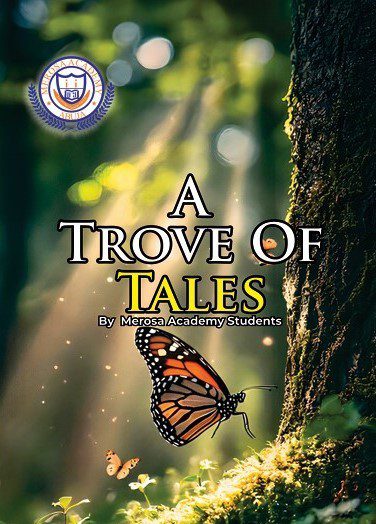
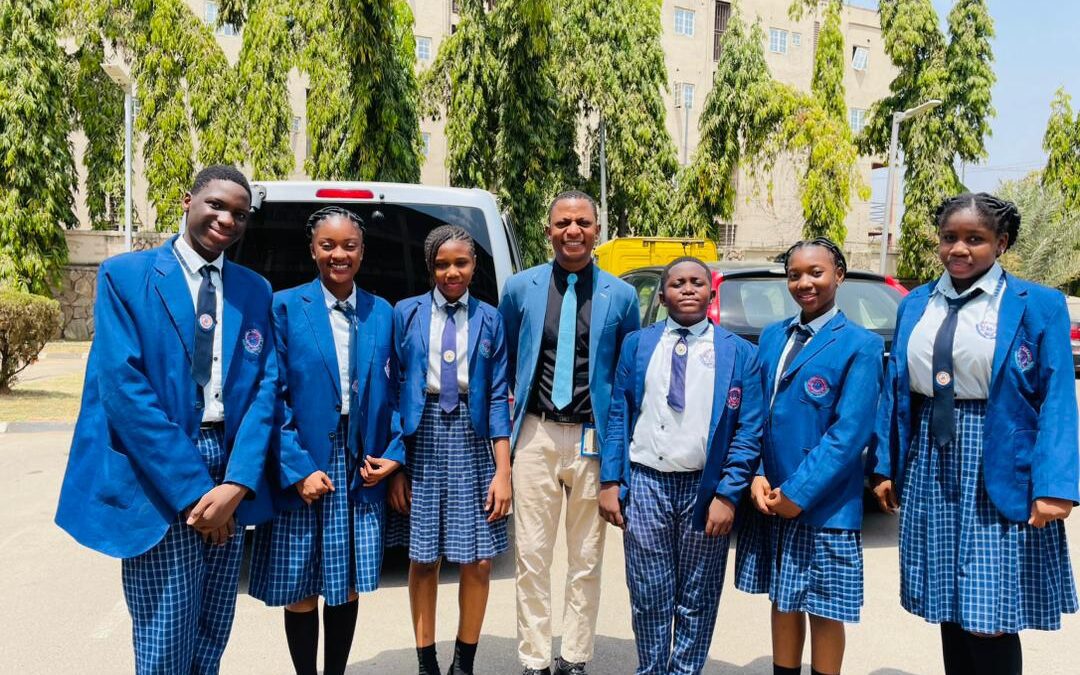
A Trove of Tales is a collection of short stories written by young but brilliant and talented potential minds all from our noble school, Merosa Academy, Apo. This collection of tales is a publication that comprises fourteen intriguing, inspirational, and page-turning superb stories coupled with super exciting styles of writing. The styles of their writings not only define these erudite writers’ idiosyncrasies but the styles are used deliberately to drive and deliver their narratives to their readers.
DO WE STILL HAVE GOOD WRITERS?
One of the most respected and first African novelist, Chinua Achebe, whose great and classic story reshaped and projected African in a better light from the version the western world mirrored Africa for centuries in the writings of the likes of Rudyard Kipling, Joseph Conrad argued in his book titled THE TROUBLE WITH NIGERIA that, “he and his generations were the luckiest writers in the history of Nigeria”. Of course his observation at that point and a decade ago was affirmed by all his audience. It is important to note that his generation had writers like Wole Soyinka, J.P.Clark, Ngugi Wa’Thiong, Flora Nwapa, Zulu Sofula, Miriama Ba among a host of other talented potential writers. Fortunately for the world of literature and with the kinds of uniquely tangled stories you are about to witness here in Merosa Academy Abuja today Achebe’s observation will become a serious topic of debate. Yes! With pride we stand bold to tell you that the best and luckiest writers are about to be known. This generation’s luck surpasses every other generations’ because they are more enlighten and has greatly evolved aided by Technology and Artificial Intelligence. They thus used this development for upgrading intellectual upliftment rather than utilizing it with immoral intent.
YES, WE DO!
From the foregone it is noted that one of the utmost ways of leaving an indelible mark on earth for every human is by writings and not just writings but superb and fantastic writings that directly or indirectly solve problems and contribute greatly to knowledge. William Shakespeare died over 400 years ago but he is known through his writings all over the world and his works still remain classics. Coming to Nigeria, the name Achebe can never be erased from Nigeria’s history so also is with Wole Soyinka and among many others.
The Goal
Merosa Academy is not a school that concerns its learners with conservative learning patterns; the school goes extra miles to help its learners to self-discovery; opening their minds and assuring them that they are beyond limits. It is out of this that the idea of encouraging the learners to start going beyond their limits, empowering them to reach for their stars and Soaring higher for ultimate results is initiated.
Consequently, a remarkable height has been achieved by these learners. The journey has begun and Merosa Academy is ready to discover as many as possible learners and train and guide them to continue the culture of fitting our learners among the global achievers in all spheres of human endeavor and making sure they sit at the head of every table they find themselves.
A GLANCE AT THE STORIES
The title of this publication as stated in the ab initio is A TROVE OF TALES by Merosa Academy Students from different classes; High school and Primary school respectively. The word “TROVE “, which is the key term in the title means “collection” hence, the title means, “A collection of stories “. These short stories are independently written by every single learner whose name appears as an author on the pages of content. The content of the story ranges from world view, exploring real life scenarios to cutting across boundaries. Like most professional writers write, these learners mostly writes from various literary perspectives. Among the common perspectives are reality, a theory that unravels situations the way they are in the ordinary human world. It avoids euphemistic writings and hyperbolic explosions. The perspectives or theory of writings serves as a mirror in the society. This theory can be found among the writings of Zitara Oje’s THE YARN’S FUTURE; Natasha Egabor’s FATHERS OF ANGUISH; Hasanat Abdulfatah’s THE BIG MISTAKE; Ogalla Michelle’s CRUMBLED WORLD OF LOGIC; and Solomon Mumuni’s THE PRICE OF DESPERATION. These stories listed are majorly concerned with realistic issues. These situations are experienced in almost every continent of the world. However, the stories can still be examined or study from different points of views resulting to their beauty aesthetically.
Another interesting literary theory used in telling their stories is psychoanalysis. Psychoanalysis in literature deals with the motivation behind every human (character’s) action and also the relationship between the conscious, subconscious and unconscious minds; it was pioneered by SIGMUND FREUD, an Australian Neurologist. So in the end of Zahra’s tale, for instance, the narrative voice says “peace had returned but they knew this was only the beginning”. The beginning of what? And what influenced the return of Peace? All this is achieved by Zahra through the power of psychoanalysis.
Another mind blowing tale that confronts the readers is ‘Reunited Sisters’ by okeke kosi. Okeke takes us from the African continent to a state in USA, California to enlighten us about a family of five with superpower, a power that is directly ignited by love. This is a story that is powerfully intriguing and full of suspense.
One of the most fantastic features of these young erudite writers is their ability to imagine beyond their immediate world view. Among this category are: In plain sight by David Hart (a romanticist inclined tale); Lily’s Scary Dream by Isabella mokidi ( A Gothic perspective tale);The Ghost of Sabrina Logic by Ogalla Michelle (also a Gothic based tale);The Magic Within by Hussain Abubakar; Honey by Chizaram Nnamd; Life is a Bar of Soap by Oloyode Oluwalabaki; and The Travails of Somto by Oriasotie Mary.
CONCLUSION
In conclusion, the world needs a balanced story that pour out the heart of every individual and mirror a slice of every society for better understanding of humanity and peace co-existence.
Examinations are an important part of every student’s academic journey. While exams can sometimes feel stressful, proper preparation can turn them into an opportunity to demonstrate knowledge, build confidence, and achieve academic success.
At Merosa Academy, we believe that success in examinations is not only about studying hard but also about studying smart. With the right strategies, discipline, and mindset, every student can perform excellently.
This guide will help students understand practical and effective ways to prepare for examinations successfully.
Understanding the Importance of Exam Preparation
Preparing for exams early allows students to review their lessons thoroughly and gain a deeper understanding of their subjects. It also reduces anxiety and improves performance during the examination period.
Effective exam preparation helps students to:
Improve memory and understanding of subjects
Develop confidence before exams
Manage time effectively
Reduce exam stress
Achieve better academic results
Students who prepare properly often feel more relaxed and perform better compared to those who wait until the last minute.
Create a Realistic Study Plan
One of the most effective ways to prepare for exams is to develop a study schedule.
A study plan helps students organize their time and ensure that every subject receives adequate attention. Instead of studying randomly, students can focus on specific topics each day.
Tips for Creating a Good Study Plan
Start preparing several weeks before the exam
Divide subjects into manageable topics
Allocate more time to difficult subjects
Include short breaks between study sessions
Review previously studied materials regularly
A well-structured timetable makes studying less overwhelming and helps students stay on track.
Focus on Understanding Concepts
Many students try to memorize everything, but memorization alone is not enough for long-term learning.
Understanding concepts allows students to explain ideas clearly and answer questions more effectively during exams.
Ways to Improve Understanding
Take clear and organized notes during lessons
Ask questions when something is unclear
Use diagrams, charts, and mind maps
Study with classmates and discuss difficult topics
Teach a concept to someone else
When students understand what they are learning, recalling the information during exams becomes much easier.
Practice with Past Questions
Practicing past examination questions is one of the most powerful ways to prepare for exams.
Past questions help students become familiar with the exam format, question styles, and time requirements.
Benefits of Practicing Past Questions
Improves confidence during exams
Helps identify common exam topics
Enhances problem-solving speed
Develops time management skills
Students should try solving questions under exam-like conditions to simulate the real experience.
Master Time Management
Time management is essential both during preparation and in the examination hall.
Students who manage their time well can complete their exams without rushing or leaving questions unanswered.
Time Management Tips
Start with easier questions during the exam
Allocate time for each section
Avoid spending too much time on one question
Review answers if time allows
Practicing with timed exercises can significantly improve exam performance.
Maintain Healthy Study Habits
Good health plays an important role in academic performance. Students should ensure that they maintain healthy habits during their exam preparation period.
Important Healthy Habits
Get Enough Sleep Adequate sleep helps improve concentration, memory, and overall mental performance.
Eat Nutritious Foods Healthy meals provide the energy needed for effective studying.
Take Short Breaks Studying for long hours without breaks can lead to fatigue. Short breaks refresh the mind and improve focus.
Reduce Distractions Phones, social media, and unnecessary noise can reduce productivity during study time.
Creating a quiet and organized study environment helps students concentrate better.
Managing Exam Stress
Feeling nervous before an exam is normal. However, excessive stress can affect performance.
Students can manage exam anxiety by:
Preparing well ahead of time
Practicing relaxation techniques
Staying positive and confident
Avoiding last-minute cramming
Getting enough rest before the exam day
A calm mind helps students think clearly and perform better.
How MEROSA Academy Supports Students
At MEROSA Academy, we are committed to helping students achieve academic excellence through structured guidance and quality education.
Our examination preparation programs provide students with:
Experienced and dedicated tutors
Structured study plans
Regular assessments and mock exams
Access to learning materials and practice questions
Personalized academic support
We focus on helping students build strong academic foundations and develop the confidence needed to succeed in their examinations.
Final Thoughts
Success in examinations does not happen by chance. It is the result of consistent effort, proper planning, and the right study techniques.
Students who prepare early, practice regularly, and maintain a positive mindset are more likely to achieve excellent results.
With determination, discipline, and the right guidance from Merosa Academy, every student has the potential to succeed.
Leadership is one of the most essential qualities required for success in today’s rapidly evolving world. Educational institutions play a crucial role in shaping young minds to become responsible, innovative, and visionary leaders. One school in Nigeria that stands out in this mission is Merosa Academy, a growing institution located in Abuja. Through its commitment to academic excellence, character development, and holistic education, the school is nurturing the leaders of tomorrow.
A Vision for Leadership-Oriented Education
Since its establishment in 2016, Merosa Academy has focused on more than just traditional classroom learning. The institution was founded with a mission to provide an environment where children are inspired to discover their strengths, develop their passions, and dare to lead in their chosen fields.
The school believes that education should empower students not only academically but also socially and morally. By nurturing curiosity, creativity, and confidence, the academy prepares learners to become responsible citizens who can positively influence their communities and the world.
Leadership Through Academic Excellence
A strong academic foundation is a key component of leadership development. At Merosa Academy, students follow a rigorous curriculum aligned with both Nigerian and international educational standards. This approach equips them with the knowledge and skills necessary to compete globally and pursue higher education anywhere in the world.
The school also maintains small class sizes—typically about twenty students per class—which allows teachers to give personalized attention to each learner. This learning environment encourages critical thinking, effective communication, and intellectual confidence, all of which are essential leadership traits.
Character Building and Values
True leadership is built on strong character. Recognizing this, Merosa Academy integrates values such as integrity, responsibility, teamwork, and respect into its educational philosophy. The school strives to ensure that students understand the value of empathy, ethical behavior, and respect for others.
Through mentorship and moral guidance, students are encouraged to develop the confidence to make wise decisions and stand up for what is right. These values shape them into individuals capable of leading with compassion and integrity.
up for what is right. These values shape them into individuals capable of leading with compassion and integrity. Leadership Through Co-Curricular Activities
Leadership Through Co-Curricular Activities
Leadership is not learned only in the classroom. The academy offers a wide range of extracurricular activities that help students develop practical leadership skills. Clubs and activities such as debate, robotics, music, photography, and entrepreneurship encourage students to collaborate, innovate, and express their talents.
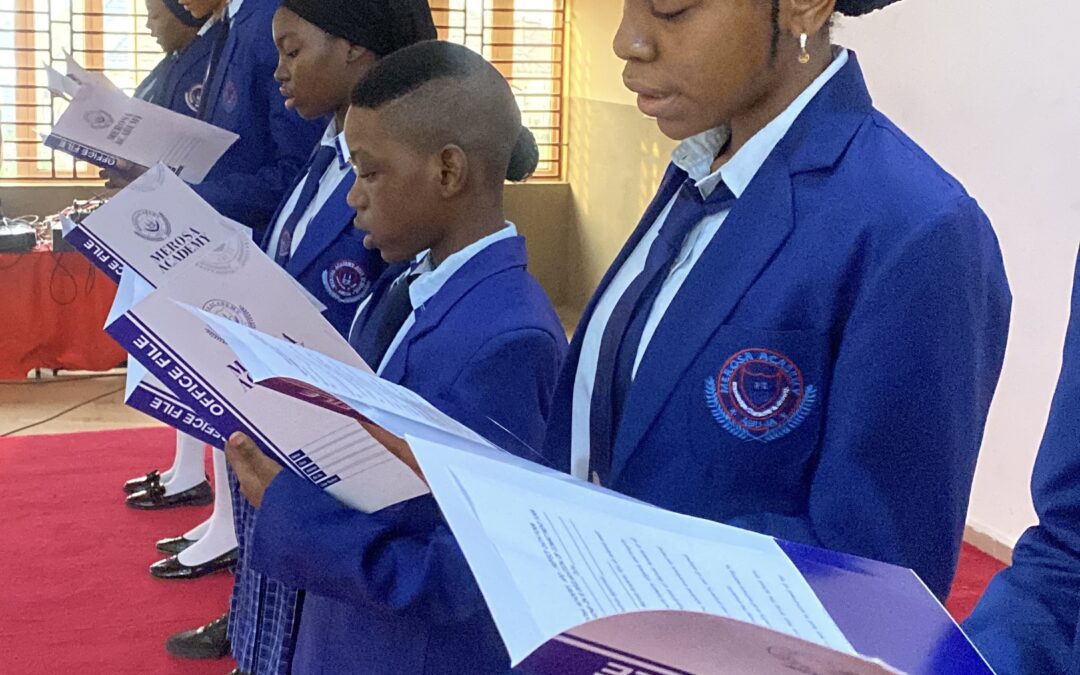
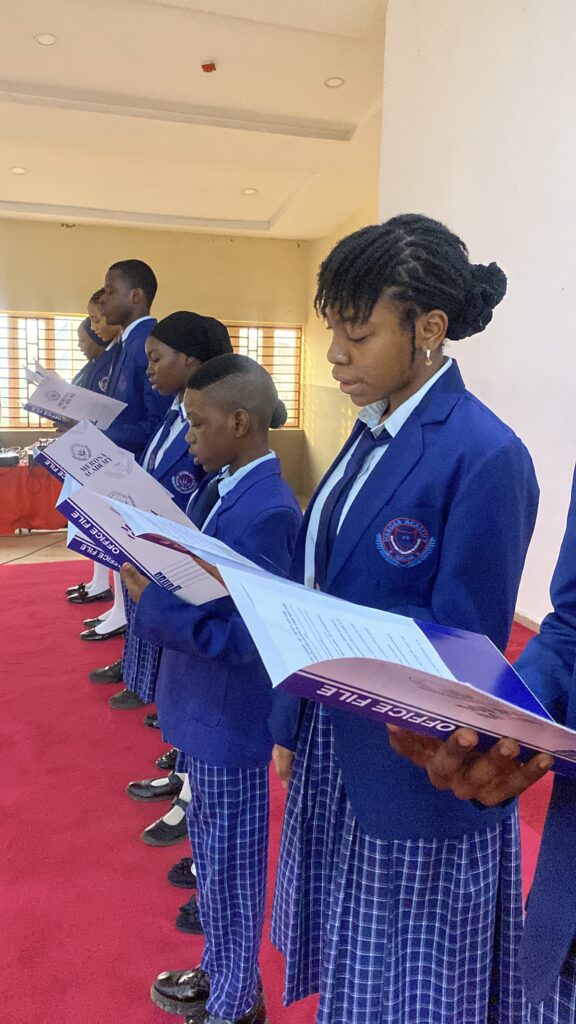
Participation in these activities helps students develop skills such as teamwork, decision-making, creativity, and public speaking. Events such as science fairs, career weeks, inter-house sports, and leadership induction ceremonies provide platforms where students can demonstrate initiative and responsibility
In an increasingly interconnected world, leadership requires a global outlook. Merosa Academy integrates modern technology, project-based learning, and diverse cultural perspectives into its programs. These approaches enable students to become critical thinkers and problem solvers capable of addressing real-world challenges.
By combining technology, innovation, and character education, the school prepares students not only for academic success but also for meaningful leadership roles in society.
Conclusion
Education remains one of the most powerful tools for shaping future leaders. Through its strong academic programs, emphasis on character development, and vibrant extracurricular activities, Merosa Academy is playing a significant role in preparing young people in Abuja for leadership in the 21st century.
As the school continues to grow, its commitment to inspiring confidence, integrity, and excellence ensures that its students will emerge not just as successful individuals but as visionary leaders capable of transforming their communities and the world.
Nigeria is widely recognized as one of the most linguistically diverse countries in the world. With over 500 indigenous languages spoken across its regions, the nation presents a vibrant tapestry of cultures, identities, and communication systems. This multilingual reality influences every sphere of life—from governance and commerce to education. Schools, in particular, often serve as microcosms of Nigeria’s linguistic diversity. Within this context, Merosa Academy provides a compelling example of how educational institutions can successfully navigate and embrace linguistic heterogeneity.
Nigeria’s Linguistic Diversity
Nigeria’s language landscape reflects its rich cultural heritage. Major languages such as Yoruba, Hausa, and Igbo coexist with hundreds of minority languages spoken by various ethnic groups. In many communities, children grow up speaking one or more indigenous languages at home while encountering English primarily in formal settings like school.
This linguistic diversity presents both opportunities and challenges within the educational system. While multilingualism enriches students’ cognitive and cultural experiences, it can also create communication barriers in classrooms where students and teachers may come from different linguistic backgrounds. To address this complexity, English—Nigeria’s official language—serves as the common medium of instruction in most schools.
The Role of English in Nigerian Schools
English functions as a unifying language within Nigeria’s multilingual environment. In educational settings, it enables students from different linguistic backgrounds to interact, learn, and collaborate effectively. Beyond facilitating communication, proficiency in English also opens doors to academic advancement, national integration, and global opportunities.
However, the successful use of English as a medium of instruction depends on a learning environment that respects and accommodates linguistic diversity rather than suppressing it. This balance between unity and inclusivity is where some institutions stand out.
At Merosa Academy, promoting English does not mean disregarding students’ linguistic heritage. Instead, the school adopts an inclusive philosophy that acknowledges diversity while fostering a shared academic language.
Students are encouraged to practice English during lessons, discussions, and collaborative activities. This consistent exposure helps learners develop confidence and proficiency in the language. At the same time, the institution recognizes that each student’s linguistic background forms an essential part of their identity.
Importantly, Merosa Academy maintains a culture of respect and inclusion. No learner is bullied, mocked, or neglected because of their accent, mother tongue, or level of English proficiency. Teachers actively cultivate a supportive environment where students feel comfortable expressing themselves and improving their language skills without fear of judgment.
Creating an Inclusive Learning Environment
The success of this approach lies in the school’s commitment to equity and empathy. Teachers understand that language acquisition is a gradual process, especially in a multilingual setting. As a result, they guide students patiently while encouraging peer collaboration and mutual respect.
By promoting English as a shared medium while valuing linguistic diversity, Merosa Academy creates a balanced educational environment. Students not only improve their academic communication skills but also learn to appreciate cultural differences among their peers.
Lessons from the Merosa Academy Model
The experience of Merosa Academy highlights an important lesson for education in multilingual societies: linguistic diversity should be seen as an asset rather than a barrier. When schools establish inclusive policies and supportive classroom cultures, students from different language backgrounds can thrive together.
In a country as linguistically rich as Nigeria, institutions that successfully integrate diversity with effective communication play a vital role in shaping the next generation. Merosa Academy demonstrates that it is possible to encourage a common academic language while ensuring that every learner feels respected, valued, and included.
Ultimately, the school’s approach reflects a broader vision for education in Nigeria—one where diversity is celebrated, inclusion is prioritized, and language becomes a bridge rather than a barrier to learning.
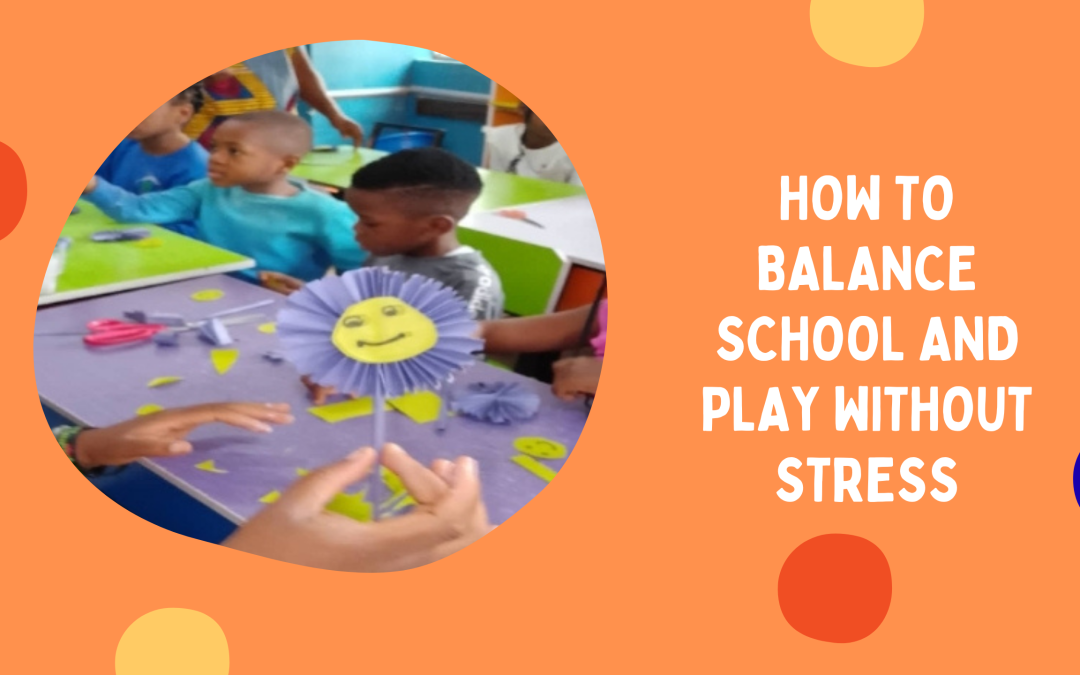
Every parent wants their child to shine in school – but we also want them to laugh, play, and just be kids. Striking that balance isn’t always easy, but it’s possible! The truth is, children learn best when schoolwork and Playtime go hand in hand.
At Merosa Academy, we encourage parents to keep it simple: set a routine that mixes study and play, join your child in fun activities, and never underestimate the power of rest. When kids enjoy both learning and leisure, they become happier, healthier, and more confident.
Here are some tried-and-true tips to keep both Schoolwork and Playtime stress-free:
1. Build a Simple Routine (Not a Strict One)
Children thrive on structure, but that doesn’t mean you need military-style schedules. A simple routine works wonders: homework first, then play. For example, “Do your assignments between 4–5 p.m., then enjoy outdoor play until dinner.” This teaches discipline while still rewarding them with fun.
2. Redefine Playtime
Play doesn’t have to mean endless cartoons or video games. Introduce them to activities that are fun and enriching — like football, puzzles, drawing, or even dancing in the living room. Play is how kids learn creativity, teamwork, and problem-solving without even realizing it.
3. Break the Study-Marathon Habit
Encourage your child to take short breaks while studying. A 25–30 minute study session followed by a 10-minute breather (snack, stretch, or a quick game) makes learning way more effective than long, draining hours.
4. Be Part of the Fun
Children love it when parents join in their world. Play a board game, take a walk, or just kick a ball around. It’s not just play — it’s bonding, and it tells your child that you value their happiness as much as their education.
5. Prioritize Rest (Seriously!)
Sometimes balance means simply slowing down. Adequate sleep, afternoon naps, and even quiet “no-screen” time can recharge your child better than anything else. A rested child learns faster and plays harder — win-win.
Final Thought for Parents: At Merosa Academy, we believe education is not just about high grades, but about raising happy, confident, and well-rounded children. When parents encourage both school and play in healthy doses, children grow into learners who love knowledge and enjoy life.
Let’s be honest – childhood should be fun, and learning should be joyful!
Distinguished members of the Merosa Academy community, esteemed colleagues, cherished students, and respected parents, it is with profound honour that we reflect on the theme, “Beyond the Canon: Reimagining Inclusivity vis-à-vis Integration in Education,” as we commemorate another milestone in our academic journey.
Traditionally, educational curricula have often presented a “canon” – a curated body of works and perspectives deemed most significant. While these foundational systems hold undeniable value, a singular focus risks narrowing intellectual horizons and limiting students’ comprehension of a globally interconnected world.
To reimagine education is to move beyond inherited canons and embrace a curriculum that is both global and indigenous, universal and uniquely ours. It is to foreground the voices of our communities—our elders, storytellers, scientists, and artists—so that our learners see themselves as agents of change and custodians of culture.
For us to truly “reach for the stars in academics”, we must consider Education as a mirror of the society—one that must reflect the diversity, values, and aspirations of its people. For too long, the educational canon has been defined by a narrow selection of voices, often distant from our indigenous realities and lived experiences.
As we gather in the heart of Kubwa, a community rich in heritage and promise, we are called to ask: whose stories are told, whose knowledge is valued, and who is empowered to dream?
At Merosa Academy, we believe that inclusivity is not a mere policy, but a living principle that guides our curriculum, pedagogy, and community engagement. We strive to ensure that every learner, regardless of background, finds affirmation and inspiration within our walls. Our commitment to integration means that the literature we read, the history we teach, the art and language of our teachers, and the heroes we celebrate reflect the vast tapestry of our nation and continent.
Let us, therefore, pledge to nurture a learning environment where diversity is not merely tolerated but celebrated; where every child’s story matters; and where education serves as a bridge to a more just, equitable, and inclusive society.
As we turn the pages of this yearbook, may we be reminded that the future of education lies not in the past alone, but in the bold reimagining of what is possible when all are represented. Let us continue to champion this inclusive vision, ensuring that every Merosan is prepared not just to reach for the stars, but to navigate the entire galaxy.