In today’s highly competitive and rapidly changing world, parents naturally want the very best for their children. Academic excellence remains important, and strong examination results can open doors to future opportunities. However, modern education demands much more than high scores and certificates.
The world children are growing into today is different from the one previous generations experienced. Employers, universities, and societies increasingly value creativity, communication, adaptability, emotional intelligence, and problem-solving skills alongside academic achievement. Children are no longer preparing only for exams; they are preparing for life in a fast-evolving global environment.
This reality has changed the conversation around education. Many thoughtful parents are now asking deeper questions:
Is my child learning to think independently?
Can my child solve problems confidently?
Is the school nurturing creativity and curiosity?
Will my child be prepared for the future beyond the classroom?
These questions matter because education should not simply produce students who can memorize information temporarily for tests. True education should shape confident learners who understand concepts, ask meaningful questions, think critically, and apply knowledge in practical ways.
Unfortunately, many educational systems still place heavy emphasis on rote learning and examination performance alone. In such environments, children may become skilled at recalling information without truly understanding it. While this approach may deliver short-term academic success, it often leaves little room for creativity, innovation, confidence-building, and independent reasoning.
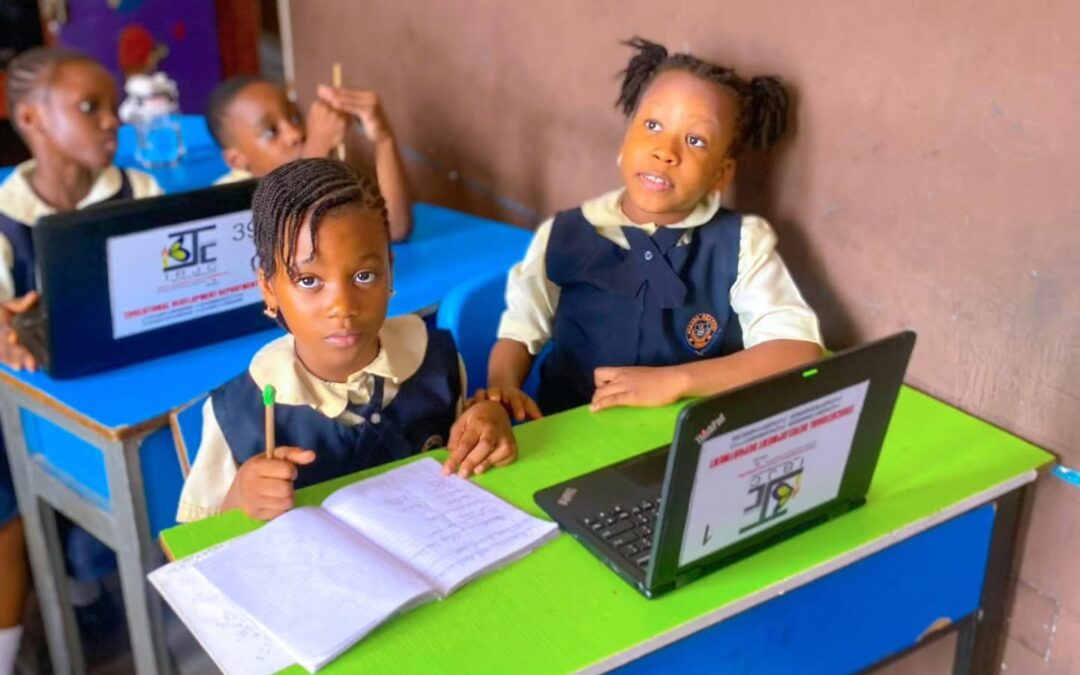
In Merosa Academy, such is not the case, our learners are not just equipped with the practical tools to learn but are made conscious of demands that the modern world require. Today’s children need the ability to adapt, collaborate, communicate effectively, and think critically in unfamiliar situations. They need the confidence to express ideas, the curiosity to explore solutions, and the resilience to overcome challenges. These are qualities that cannot be developed through memorization alone.
This is why the role of a truly great school is so important. Great schools create learning environments where children are encouraged to ask questions, participate actively, think deeply, and discover their unique strengths. They help students move beyond simply chasing grades to developing a genuine love for learning and personal growth.
At Merosa Academy, we believe that truly great schools do more than prepare students for examinations. They nurture curiosity, creativity, confidence, character, and independent thinking; qualities that help children succeed not only academically, but throughout life.
A child who only learns what to think may pass examinations. A child who learns how to think becomes equipped to thrive anywhere in the world.
That is the difference between simply educating students and truly developing future leaders, innovators, and responsible global citizens.
Abuja is often described as the heart of Nigeria; a city of ambition, growth, and opportunity. From its iconic skyline to its diverse communities, it represents the dreams of a nation on the rise. But beyond the infrastructure and the energy of the capital lies something even more powerful: the people being shaped to lead its future. That’s where Merosa Academy comes in.
A School with a Vision Beyond the Classroom
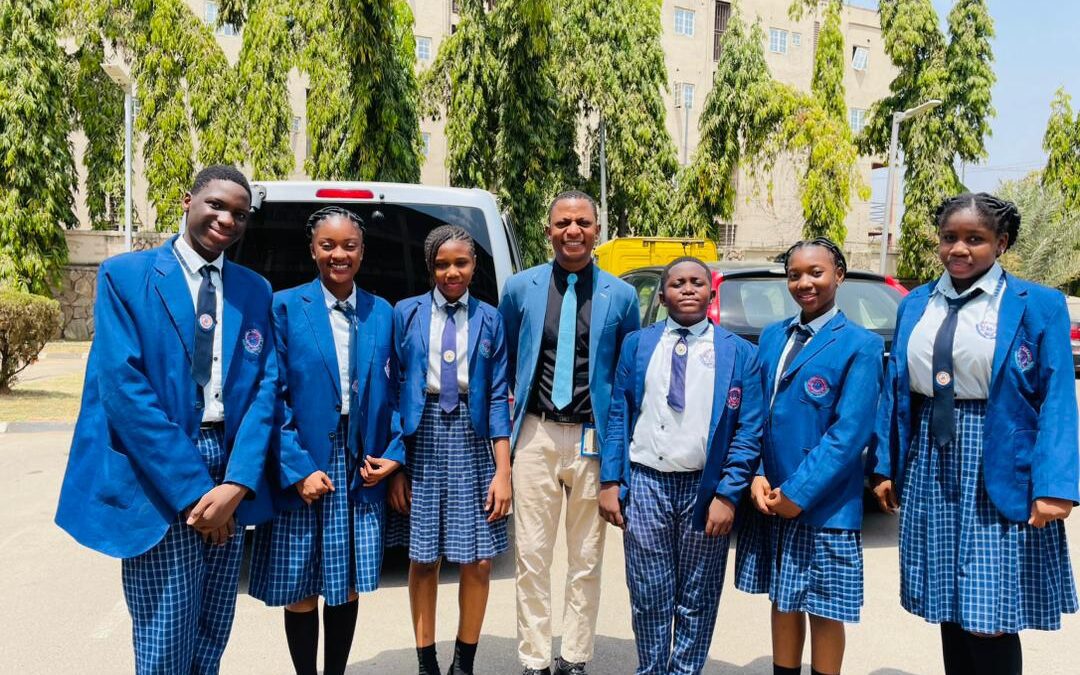
Merosa Academy, Abuja is not just a school; it is a movement toward excellence. At its core is a simple but powerful belief: every child has the potential to lead, innovate, and make a difference. The academy goes beyond traditional education by focusing on the holistic development of its students academically, morally, and socially. Here, learning is not limited to textbooks. It is an experience designed to inspire curiosity, build confidence, and cultivate critical thinking. Students are encouraged to ask questions, explore ideas, and develop solutions to real-world challenges.
Building Future Leaders Today
In a fast-changing world, leadership requires more than knowledge. It demands character, resilience, and vision. Merosa Academy, Abuja intentionally integrates these qualities into its teaching approach.
Through structured programs, interactive learning, and mentorship, students are equipped with skills such as:
Effective communication
Problem-solving
Teamwork and collaboration
Ethical decision-making
These are not just academic skills; they are life skills that prepareour learners to thrive anywhere in the world.
A Community That Cares
One of the defining strengths of Merosa Academy, Abuja is its strong sense of community. Teachers are not just instructors; they are mentors and guides who are deeply invested in each child’s success. The school environment is warm, supportive, and inclusive—making it a place where students feel valued and motivated to excel.
Parents are also an integral part of this community. The partnership between home and school ensures that every child receives the support they need to grow into confident and responsible individuals.
Excellence as a Standard
At Merosa Academy, excellence is not an option—it is a culture. From academic achievements to extracurricular activities, students are encouraged to strive for their best in everything they do.
Whether it’s in science, arts, sports, or leadership initiatives, the academy provides opportunities for students to discover their passions and develop their talents.
Abuja Needs Merosa Academy
A city is only as strong as the people who will lead it tomorrow. Abuja’s future depends on individuals who are not only educated but also visionary, disciplined, and compassionate. Merosa Academy is playing a crucial role in shaping those individuals. Without it, Abuja would still move forward but perhaps without the same level of intentional preparation for the leaders of tomorrow.
Merosa Academy stands as a beacon of hope and excellence in Abuja; a place where dreams are nurtured, potential is unlocked, and future leaders are born. So, what is Abuja without Merosa Academy? With Merosa Academy, it becomes a city with purpose, direction, and a future led by capable hands.
Nigeria is widely recognized as one of the most linguistically diverse countries in the world. With over 500 indigenous languages spoken across its regions, the nation presents a vibrant tapestry of cultures, identities, and communication systems. This multilingual reality influences every sphere of life—from governance and commerce to education. Schools, in particular, often serve as microcosms of Nigeria’s linguistic diversity. Within this context, Merosa Academy provides a compelling example of how educational institutions can successfully navigate and embrace linguistic heterogeneity.
Nigeria’s Linguistic Diversity
Nigeria’s language landscape reflects its rich cultural heritage. Major languages such as Yoruba, Hausa, and Igbo coexist with hundreds of minority languages spoken by various ethnic groups. In many communities, children grow up speaking one or more indigenous languages at home while encountering English primarily in formal settings like school.
This linguistic diversity presents both opportunities and challenges within the educational system. While multilingualism enriches students’ cognitive and cultural experiences, it can also create communication barriers in classrooms where students and teachers may come from different linguistic backgrounds. To address this complexity, English—Nigeria’s official language—serves as the common medium of instruction in most schools.
The Role of English in Nigerian Schools
English functions as a unifying language within Nigeria’s multilingual environment. In educational settings, it enables students from different linguistic backgrounds to interact, learn, and collaborate effectively. Beyond facilitating communication, proficiency in English also opens doors to academic advancement, national integration, and global opportunities.
However, the successful use of English as a medium of instruction depends on a learning environment that respects and accommodates linguistic diversity rather than suppressing it. This balance between unity and inclusivity is where some institutions stand out.
At Merosa Academy, promoting English does not mean disregarding students’ linguistic heritage. Instead, the school adopts an inclusive philosophy that acknowledges diversity while fostering a shared academic language.
Students are encouraged to practice English during lessons, discussions, and collaborative activities. This consistent exposure helps learners develop confidence and proficiency in the language. At the same time, the institution recognizes that each student’s linguistic background forms an essential part of their identity.
Importantly, Merosa Academy maintains a culture of respect and inclusion. No learner is bullied, mocked, or neglected because of their accent, mother tongue, or level of English proficiency. Teachers actively cultivate a supportive environment where students feel comfortable expressing themselves and improving their language skills without fear of judgment.
Creating an Inclusive Learning Environment
The success of this approach lies in the school’s commitment to equity and empathy. Teachers understand that language acquisition is a gradual process, especially in a multilingual setting. As a result, they guide students patiently while encouraging peer collaboration and mutual respect.
By promoting English as a shared medium while valuing linguistic diversity, Merosa Academy creates a balanced educational environment. Students not only improve their academic communication skills but also learn to appreciate cultural differences among their peers.
Lessons from the Merosa Academy Model
The experience of Merosa Academy highlights an important lesson for education in multilingual societies: linguistic diversity should be seen as an asset rather than a barrier. When schools establish inclusive policies and supportive classroom cultures, students from different language backgrounds can thrive together.
In a country as linguistically rich as Nigeria, institutions that successfully integrate diversity with effective communication play a vital role in shaping the next generation. Merosa Academy demonstrates that it is possible to encourage a common academic language while ensuring that every learner feels respected, valued, and included.
Ultimately, the school’s approach reflects a broader vision for education in Nigeria—one where diversity is celebrated, inclusion is prioritized, and language becomes a bridge rather than a barrier to learning.